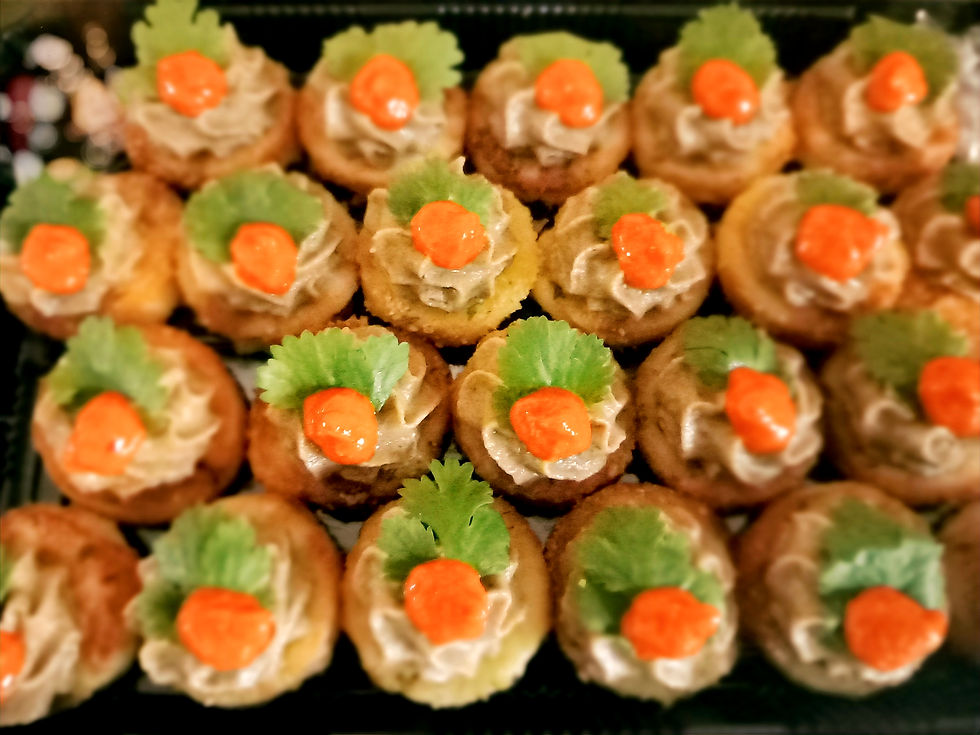
Designing Custom Event Menus for Unique Events
Creating a menu for an event is more than just listing food options. It requires careful planning and attention to detail. A well-designed menu can enhance the event experience and meet the specific needs of guests. I focus on crafting custom event menus that fit the occasion, theme, and preferences of those attending.
Understanding the Event and Its Requirements
The first step in designing a menu is understanding the event type. Is it a corporate meeting, a wedding, or a private party? Each event has different needs. For example, a corporate lunch might require quick, easy-to-eat dishes, while a wedding could call for elegant, multi-course meals.
I gather information about the number of guests, dietary restrictions, and the event schedule. This helps me decide on the right balance of dishes. For instance, if the event lasts several hours, I include snacks and light bites alongside main courses.
Creating Custom Event Menus That Fit the Occasion
Custom event menus should reflect the event’s tone and style. I work closely with clients to match the menu to their vision. This includes choosing the right cuisine, presentation style, and portion sizes.
For a formal event, I suggest plated meals with sophisticated ingredients. For casual gatherings, buffet-style or finger foods work better. I also consider the venue and available kitchen facilities. This ensures the menu is practical and can be executed smoothly.

Selecting Ingredients and Dishes
Choosing the right ingredients is key to a successful menu. I prioritize fresh, seasonal produce and high-quality proteins. This not only improves taste but also supports local suppliers.
I recommend a mix of familiar and unique dishes. This approach caters to diverse tastes and adds interest. For example, a menu might include classic roast chicken alongside a vegetarian quinoa salad with exotic spices.
When planning, I also consider food allergies and preferences. Offering gluten-free, vegan, or nut-free options ensures all guests can enjoy the meal safely.
Designing Menus for Different Event Types
Different events require different menu styles. Here are some examples:
Corporate Events: Focus on efficiency and professionalism. Include easy-to-eat items like wraps, salads, and mini sandwiches. Avoid messy or overly rich foods.
Weddings: Offer elegant, multi-course meals. Include options for guests with dietary restrictions. Presentation is important, so dishes should look appealing.
Private Parties: Tailor the menu to the host’s preferences. This could range from BBQ-style dishes to gourmet finger foods.
Outdoor Events: Choose dishes that hold up well in varying temperatures. Avoid items that spoil quickly or require complex serving conditions.
Each menu is designed to fit the event’s unique needs while maintaining high food quality.

Practical Tips for Menu Design and Execution
When designing a menu, I follow these practical steps:
Start with a theme or concept. This guides the choice of dishes and presentation.
Balance flavours and textures. Include a variety of tastes and consistencies to keep guests interested.
Consider portion sizes. Avoid waste by matching portions to the event type and guest appetite.
Plan for dietary needs. Clearly label dishes and provide alternatives.
Test the menu. Conduct tastings to ensure quality and consistency.
Coordinate with the venue. Confirm kitchen capabilities and serving logistics.
These steps help deliver a smooth catering experience and satisfied guests.
Why Choose Custom Catering Menus
Using custom catering menus allows for flexibility and personalization. It ensures the food matches the event’s goals and guest expectations. Custom menus also help control costs by focusing on selected dishes rather than a broad, generic offering.
By working with a catering service that offers tailored menus, you get:
Unique dishes that stand out
Better guest satisfaction
Efficient service and food delivery
Adaptability to last-minute changes
This approach supports the success of any event, from small meetings to large celebrations.
Final Thoughts on Designing Event Menus
Designing menus for unique events requires attention to detail and clear communication. I focus on understanding the event’s purpose and guests’ needs. This allows me to create menus that are both practical and memorable.
A well-planned menu enhances the overall event experience. It reflects the host’s style and meets the expectations of attendees. By choosing custom event menus, you ensure your event’s catering is a highlight, not an afterthought.


Comments